Chinese New Year in China: Where Tradition Feels Most Alive
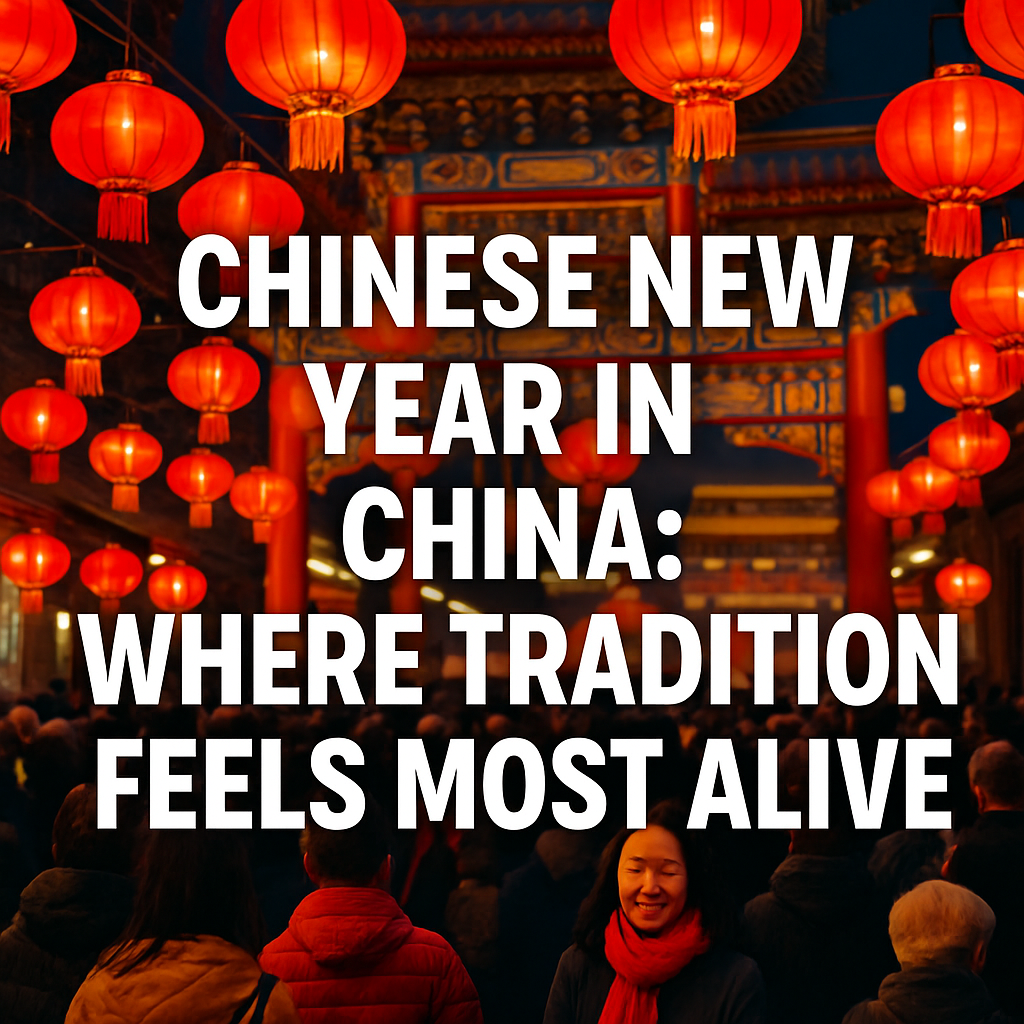
Chinese New Year in China: Where Tradition Feels Most Alive
Chinese New Year in China: Where Tradition Feels Most Alive — the answer in short: go to the cities and regions where temple fairs, family reunions and century-old rituals are still part of everyday life: Beijing for its temple fairs, Shanghai (Yuyuan) for lanterns, Xi’an for ancient wall lantern festivals, Chengdu for food and operatic New Year culture, and Harbin for winter ice-light spectacle. Plan early because the Spring Festival travel rush (chunyun) is intense and many transport, hotel and tour options sell out fast.
Why this year feels extra special
Chinese New Year 2026 begins on Tuesday, 17 February 2026 (Year of the Fire Horse). Mainland China officially experiences a long Spring Festival travel rush (chunyun) — typically a 40-day peak period — so book flights, trains and hotels well in advance.
Where tradition feels most alive (quick picks)
- Beijing — temple fairs (miao hui) at Ditan Temple, Longtan and local hutongs; family reunion atmosphere and imperial-era customs.
- Shanghai (Yuyuan Garden) — dramatic lantern displays, folk shows and the old-city market atmosphere.
- Xi’an — ancient-wall lantern festivals and Shaanxi operas that keep older rituals visible.
- Chengdu — lively Sichuan New Year street food, local temple performances and relaxed teahouse culture.
- Harbin / Northeast China — if you want dramatic ice lanterns and winter festival light art.
Chinese New Year in China: Where Tradition Feels Most Alive — Best-city breakdown (what to expect)
Beijing
- What to see: large temple fairs with folk art, New Year markets, lion/dragon dances, traditional snacks and Peking opera ensembles.
- Why go: strongest concentration of classical rituals and family-style New Year events; great for first-time cultural immersion.
- Practical tip: visit in the daytime for quieter temple fairs; expect crowds in the evening.
Shanghai (Yuyuan Garden & old town)
- What to see: night lanternscape at Yuyuan Garden, craft stalls, special seasonal pop‑ups and street performances.
- Why go: spectacular lanterns, easy connections for international travellers and excellent food (small-plate tasting).
Xi’an
- What to see: City Wall lantern festival, folk dances, Tang Dynasty-style performances and local snacks.
- Why go: ancient-city atmosphere and strong continuity of historic New Year customs.
Chengdu
- What to see: Sichuan opera, tea-house New Year gatherings, spicy celebratory meals and lantern markets.
- Why go: food-focused celebrations and relaxed vibe; great for multi-day food itineraries.
Harbin
- What to see: ice sculpture parks, illuminated ice lanterns and cold-weather New Year spectacles.
- Why go: if you love winter light festivals and dramatic photo opportunities.
Practical travel planning (step-by-step)
- Decide which city or combination you want (e.g., Beijing + Xi’an by high-speed train; Shanghai + Suzhou for lantern strolls).
- Book flights from Singapore early (3–6 months ahead for best fares during CNY).
- Reserve high-speed train tickets on official channels or through a reliable agent — peak days sell out fast.
- Book hotels near the festival sites or city centres; expect higher rates for the holiday week.
- Check visa rules (see FAQ below) and confirm entry requirements with the Chinese embassy/consulate.
- Pack for the region and weather — winters in the north are cold; southern cities are milder but can be damp.
Suggested 3- to 5-day itineraries (easy-to-follow)
3-day Beijing flavour (culture & temple fairs)
- Day 1: Arrive, afternoon hutong walk, evening temple fair at Ditan Temple or Longtan.
- Day 2: Forbidden City + Tiananmen morning; evening at a local temple fair and Peking opera.
- Day 3: Summer Palace or a nearby cultural museum; depart late afternoon.
4-day Shanghai & Suzhou (lanterns + canals)
- Day 1: Arrive; evening lanterns at Yuyuan Garden and old city market.
- Day 2: Shanghai museum + Bund walk; evening riverfront lights.
- Day 3: Day trip to Suzhou gardens and water towns.
- Day 4: Leisure, last-minute shopping, depart.
5-day Xi’an + Chengdu combo (history + food)
- Day 1: Fly to Xi’an, city wall lantern festival at night.
- Day 2: Terracotta Warriors half-day, Muslim Quarter food crawl.
- Day 3: High-speed train / short flight to Chengdu; relaxed teahouse evening.
- Day 4: Sichuan opera & hotpot dinner; visit a temple fair.
- Day 5: Leisure & depart to Singapore.
Estimated costs (ballpark for Singapore travellers)
- Return airfares (SIN–major China city) during CNY: roughly S$300–S$800 per person depending on city and booking time.
- 3–4 star hotels: S$60–S$180 per night; 5-star hotels in city centers: S$180–S$450+ per night during peak dates.
- High-speed train (inter-city): S$30–S$120 one way (depends on distance and class).
- Meals: street food/snacks S$2–S$8 per item; mid-range restaurant S$12–S$40 per person.
- Guided day tours: S$40–S$150 depending on length and inclusions.
Note: these are estimates — prices spike during the public holiday week and on peak travel days. Booking earlier usually saves money.
Booking alternatives and packages (fast picks)
If you prefer packaged options or island escape add-ons before/after your China trip, consider these curated deals we list (book links open to package pages):
- China | 5D4N Tour to Chaoshan, All Inclusive! — a ready-made China tour option for visitors who want culture and food without DIY logistics.
- Batam | Montigo Resort + Ferry! Asia's Top 5-Star Resort with Private Infinity Pool — ideal for a relaxing post-CNY unwind.
- Bintan | Nirwana Resort Hotel + Ferry — quick island escape if you want sun and calm after festival crowds.
Local tips for a smoother trip
- Carry cash (RMB) for small stalls — some vendors may not accept cards during temple fairs.
- Download local apps: maps, train-booking 12306 (or use an agent), and WeChat for basic communication and payments if available.
- Avoid travelling on peak chunyun days (3–5 days before CNY day and the return days after the holiday) — plan shoulder travel dates.
- Expect some shops and smaller restaurants to be closed on key New Year days; larger malls and tourist sites usually remain open.
- Dress warmly for northern cities; pack comfortable walking shoes — many events involve strolling markets and walls.
Comparing celebration styles (quick table-like bullets)
- Northern China — more imperial/temple-style rituals, colder weather, big temple fairs.
- Yangtze Delta (Shanghai, Suzhou) — lantern focus, more flamboyant light installations, waterways.
- Southwest China (Chengdu) — food and opera, relaxed social rituals, family gatherings.
- Northeast (Harbin) — winter ice sculptures and illuminated spectacles.
Safety, health & travel advice
- Travel insurance: strongly recommended for festival travel due to high crowds and possible itinerary changes.
- Health: carry any prescription meds and masks if you prefer—public transport can be crowded.
- Keep digital and printed copies of travel documents and your accommodation bookings.
Chinese New Year in China: Where Tradition Feels Most Alive — FAQs
Q: When is Chinese New Year 2026 in China?
A: Chinese New Year 2026 (start of the Year of the Fire Horse) falls on Tuesday, 17 February 2026. The wider Spring Festival travel rush (chunyun) typically lasts about 40 days centered around the holiday — expect the busiest travel window roughly from early February to mid-March.
Q: Do Singapore passport holders need a visa to visit Mainland China?
A: Visa rules change periodically. Singapore travellers often need a tourist (L) visa for standard visits, though China also operates extended visa-free transit and temporary entry measures for certain routes and nationalities (transit exemptions, Hainan policies, or short-term pilot visa-free programs). Always check the Chinese Embassy/Consulate website or your travel agent before you book and apply early if a standard visa is required.
Q: How should I handle train tickets during chunyun?
A: Book as early as possible. Use the official 12306 platform or a trusted agent for English-language assistance. Be ready for quick sell-outs on peak dates; consider arriving a few days before the main holiday week to avoid the worst crowds.
Q: What about refund, cancellation and package flexibility?
A: Holiday windows are strict. Choose refundable fares or flexible hotel rates where possible, and check cancellation policies for tours. If you prefer zero-stress planning, consider a packaged tour that handles logistics and local transfers.
Q: Is visiting smaller towns a better option to experience tradition?
A: Yes — many authentic rituals are strongest in small towns and county seats where family-based rituals and local temple fairs remain central. If time allows, include a day trip to a nearby traditional town for a quieter, more intimate New Year experience.
Related guides & extra reading (internal links)
- Chinese New Year Travel Planning: When to Go, Where to Go
- Celebrate Chinese New Year at Batam View Beach Resort!
- 3 to 5-Day Chinese New Year Trips That Dont Feel Rushed
- Sail into Chinese New Year 2026 with Genting Dream
Final checklist before you go
- Flights and hotels: confirm and print booking confirmations.
- Visa: check and apply early if needed.
- Transport: pre-book long-distance trains and local transfers.
- Money: have local currency and contactless payment options ready.
- Packing: warm layers for the north, rain cover for the south, and comfortable shoes.
Want help arranging a China trip or a quick island add-on to recover after the crowds? We offer packaged options and personalised help — pick a package above or explore guides to plan your escape.
👉 Check our latest China packages and WhatsApp us to book now.


