
Korean Food Travel Guide: What to Eat on Your Next Korea Trip
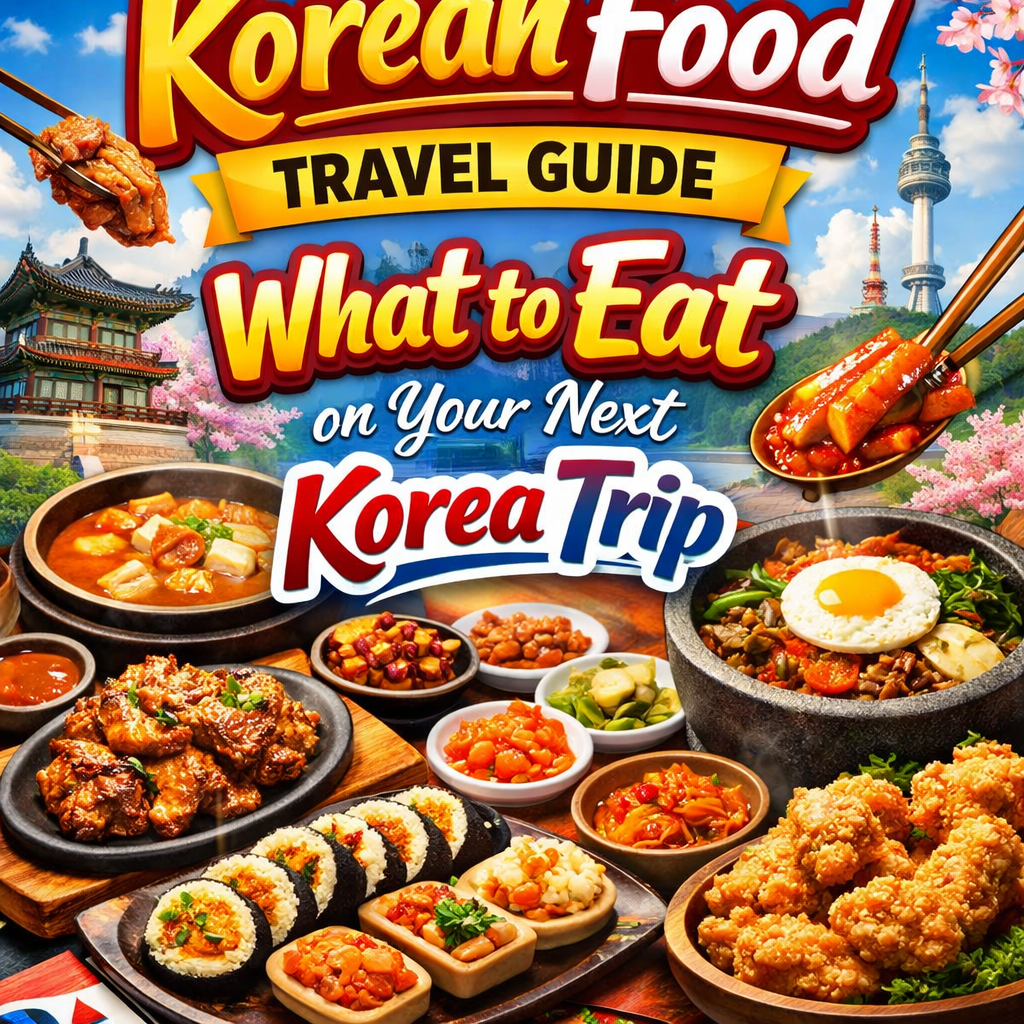
Korean Food Travel Guide: What to Eat on Your Next Korea Trip
If you are planning a Korea holiday, this Korean Food Travel Guide: What to Eat on Your Next Korea Trip will help you decide exactly what to eat first. The best way to enjoy Korea is to build your trip around food, from street snacks and hearty BBQ to famous noodle soups, fried chicken, and seasonal desserts.
For Singapore travellers, Korea is an easy destination to plan because food choices are everywhere, transport is simple, and you can mix eating, shopping, and sightseeing in one trip. If you want a food-focused itinerary, this guide also covers travel tips, rough costs, visa questions, ferry schedule mentions for comparison planning, and package ideas you can use when booking your next holiday.
Korean Food Travel Guide: What to Eat on Your Next Korea Trip
If you only have a few days in Korea, focus on these dishes first: Korean BBQ, bibimbap, kimchi stew, tteokbokki, fried chicken, mandu, kalguksu, naengmyeon, and Korean bakery treats. These are the easiest foods to find, and they give you a good taste of both everyday eating and special meal experiences.
Top Korean dishes to try first
1. Korean BBQ
Korean BBQ is one of the most popular meals for first-time visitors. You grill pork belly, beef, or marinated meat at the table and wrap it in lettuce with garlic, sauce, and side dishes.
- Best for: Dinner with friends or family
- Typical cost: Around KRW 15,000 to KRW 35,000+ per person, depending on the restaurant and meat cut
- Tip: Go with an empty stomach and order rice or noodles only if you still have room
2. Bibimbap
Bibimbap is a mixed rice bowl with vegetables, egg, meat, and spicy sauce. It is filling, balanced, and easy to find in most cities.
- Best for: A simple lunch
- Typical cost: Around KRW 8,000 to KRW 15,000
- Tip: Great choice if you want one dish that feels healthy but still satisfying
3. Kimchi jjigae and other stews
Kimchi stew, soybean paste stew, and seafood stews are comforting meals, especially in colder months. They are often served with rice and many side dishes.
- Best for: Cold weather or rainy days
- Typical cost: Around KRW 8,000 to KRW 14,000
- Tip: This is one of the most local-feeling meals you can eat in Korea
4. Tteokbokki and street food
Tteokbokki is chewy rice cake in spicy sauce. You will also see fish cake, gimbap, skewers, hotteok, and fried snacks at street stalls and markets.
- Best for: Quick bites while exploring
- Typical cost: Around KRW 3,000 to KRW 10,000 per item
- Tip: Keep small cash or a transport card ready for market food areas
5. Korean fried chicken
Korean fried chicken is crisp, juicy, and often coated in sweet-spicy or soy garlic sauce. It is a must-try for supper or a casual dinner.
- Best for: Late-night eating
- Typical cost: Around KRW 18,000 to KRW 30,000 for a whole chicken
- Tip: Many locals pair it with beer, but it is just as good without alcohol
6. Noodles: naengmyeon, kalguksu, and ramyeon
Noodle dishes are another easy choice. Naengmyeon is cold noodle soup, kalguksu is hand-cut noodle soup, and ramyeon is the famous instant-noodle style meal served in many restaurants and convenience stores.
- Best for: Light lunch or comfort food
- Typical cost: Around KRW 8,000 to KRW 13,000
- Tip: Cold noodles are especially refreshing in summer
7. Mandu, gimbap, and bakery snacks
These are easy grab-and-go foods for travel days. Mandu are dumplings, gimbap are rice rolls, and Korean bakeries are known for sweet breads, salted pastries, and cream-filled treats.
- Best for: Breakfast, transit days, or snacks between attractions
- Typical cost: Around KRW 2,000 to KRW 8,000
- Tip: Great option when you want a quick meal before catching a train or heading to the airport
Best food places by travel style
For first-time visitors
- Insadong for traditional snacks and tea
- Myeongdong for street food and easy shopping
- Hongdae for casual dining, cafés, and fried chicken
For families
- Choose BBQ restaurants with set menus
- Look for noodle shops and rice bowl places for kids
- Book cafés with desserts and simple meals for breaks between sightseeing
For food lovers
- Visit local markets for street food
- Try neighbourhood restaurants away from the biggest tourist streets
- Plan at least one Korean BBQ dinner and one market snack crawl
Simple 3-day food itinerary for Korea
Day 1: Seoul food introduction
- Breakfast: bakery items and coffee
- Lunch: bibimbap or noodle soup
- Snack: tteokbokki and fish cake in a market
- Dinner: Korean BBQ
Day 2: Street food and café day
- Breakfast: gimbap and hot soup
- Lunch: fried chicken or stew set meal
- Afternoon: dessert café and bingsu if in season
- Dinner: local barbecue or Korean-style hotpot
Day 3: Easy last-day eating
- Breakfast: convenience-store snacks or a bakery
- Lunch: kalguksu or mandu soup
- Snack: take-home treats such as seaweed, cookies, or instant noodles
- Dinner: something simple near your hotel before departure
Estimated food budget in Korea
Here is a simple daily budget idea for Singapore travellers:
- Budget traveller: KRW 20,000 to KRW 35,000 per day
- Comfort traveller: KRW 40,000 to KRW 70,000 per day
- Food-focused traveller: KRW 80,000+ per day if you want BBQ, cafés, snacks, and dessert stops
If you are eating in a mix of casual restaurants and markets, a 5-day food budget can stay reasonable. A bigger budget is useful if you want premium BBQ, trendy cafés, and multiple dessert stops each day.
Travel tips for Singapore travellers
- Carry some cash, but many places also accept card payments.
- Use subway stations and short taxi rides to save time between food spots.
- Go to popular food streets early if you want shorter queues.
- Try one main meal, one snack stop, and one café stop per day so you do not overbook your stomach.
- Plan your meal stops around sightseeing areas to reduce transport time.
Visa info, ferry schedule, and package planning
Before booking, always check the latest visa info, entry rules, and any travel requirement updates for Korea. If you are comparing trip styles, you may also see searches for ferry schedule and packages, but Korea is usually a flight trip rather than a ferry trip for Singapore travellers. That said, many travellers still use package planning logic from other destinations: check what is included, compare hotel locations, and choose a trip plan that matches your pace.
If you like easy holiday planning, you can also use these related guides for comparison and trip inspiration:
- South Korea Travel Guide for First-Time Visitors: Visa Info, Costs, Itinerary & Travel Tips
- Korea Transportation Guide: Subway, KTX & T-Money Card Explained
- Best Time to Visit Korea for Cherry Blossoms, Summer, Autumn & Snow
- Seoul Travel Guide: Food, Shopping, Culture and Must-Visit Attractions
- Korean Food Guide: Must-Try Dishes on Your Trip for Singapore Travellers
Suggested package ideas for easy trip planning
If you are planning a short break before or after a Korea trip, these nearby package ideas can help you compare holiday styles and pricing:
- Batam | 1 Day City Tour + Ferry at Only S$99!
- Batam | Best Western Premier Hotel + 2-Way Ferry + Land Transfer + Breakfast
- Bintan | Grand Lagoi Hotel + Ferry
- Bintan | Nirwana Resort Hotel + Ferry
- Singapore | Scentopia [Perfume Workshop / Team Building]
FAQs about eating in Korea
What should I eat first in Korea?
Start with Korean BBQ, bibimbap, tteokbokki, and fried chicken. These are the most popular and easiest dishes for first-time visitors.
How much should I budget for food in Korea?
A practical budget is KRW 20,000 to KRW 35,000 per day for simple eating, or KRW 40,000 to KRW 70,000 per day for a more comfortable food trip.
Is Korean food suitable for families?
Yes. Many restaurants offer rice dishes, soups, noodles, and BBQ sets that are easy to share. Kids usually enjoy gimbap, fried chicken, and mild soups too.
Do I need to book restaurants in advance?
For famous BBQ restaurants or trendy cafés, booking can help. For most casual meals and street food, you can simply walk in.
Can I use cards everywhere?
Many restaurants accept cards, but it is still useful to keep some cash for small food stalls, markets, and quick snacks.
Final food tips before you go
Korea is one of the easiest countries for a food-first holiday. If you plan your meals well, you can enjoy traditional comfort food, modern café culture, and exciting street snacks in one trip. Keep your itinerary simple, leave space for spontaneous food stops, and try at least one dish from each category: BBQ, stew, street food, noodles, and dessert.
👉 Check our latest Korea packages and WhatsApp us to book now.


